



Small And Light Electric Bike
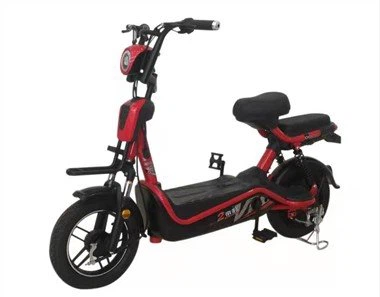
A small and light electric bike is a compact and lightweight two-wheeled vehicle designed for nimble urban commuting and efficient transportation. These electric bikes prioritize portability and ease of use, featuring a streamlined frame and reduced weight for convenient maneuverability in crowded city streets.
A small and light electric bike is a compact and lightweight two-wheeled vehicle designed for nimble urban commuting and efficient transportation. These electric bikes prioritize portability and ease of use, featuring a streamlined frame and reduced weight for convenient maneuverability in crowded city streets. With an electric motor powering the bike, riders can effortlessly navigate through traffic, making it an ideal solution for short-distance travel. The small and light design not only facilitates easy handling but also enhances the bike's versatility, allowing riders to easily store and transport it when not in use.
Enhanced Maneuverability And Agility
The compact and lightweight design of small and light electric bikes contributes to superior maneuverability. These bikes are adept at navigating through tight spaces, making them ideal for urban environments with congested traffic and limited parking.
Portability And Easy Storage
A key advantage lies in the portability of small and light electric bikes. Their reduced weight makes them easy to carry and store, providing flexibility for riders to combine biking with other modes of transportation.
Efficient Commuting In Urban Areas
Small and light electric bikes are tailored for efficient urban commuting. The electric motor provides an extra boost, allowing riders to cover short distances quickly without expending excessive physical effort.
Reduced Environmental Impact
The electric nature of these bikes aligns with environmentally conscious practices. By utilizing electric power, small and light electric bikes produce zero emissions during operation, contributing to cleaner air and a reduced carbon footprint.



Why Choose Us?
Quality Control
We have professional personnel to monitor the production process, inspect the products and ensure that the final product meets the required quality level standards, guidelines and specifications.
Rich Experience
Dedicated to strict quality control and attentive customer service, our experienced staff is always available to discuss your requirements and ensure complete customer satisfaction.
High Quality
Our products are manufactured or executed to very high standards, using the finest materials and manufacturing processes.
24h Online Service
We try and respond to all concerns within 24 hours and our teams are always at your disposal in case of any emergencies.
Compact Size
Small electric bikes are designed to be smaller in overall dimensions compared to traditional bikes, making them more maneuverable and easier to handle.
Low Weight
The emphasis on being lightweight contributes to improved portability, allowing users to carry or transport the bike more easily.
Electric Motor
Small electric bikes are equipped with an electric motor that provides assistance to the rider. The motor's power output can vary, but it is typically designed for urban commuting and shorter distances.
Battery System
These bikes are powered by rechargeable batteries, usually lithium-ion, with a capacity suitable for shorter trips. The battery is often removable for easy charging.
Range
The range of a small electric bike refers to the distance it can cover on a single charge. While ranges can vary, these bikes are generally designed for relatively short commutes.
Portability
Many small electric bikes are designed to be foldable or easily disassembled, enhancing their portability and making them convenient for storage in compact spaces.
Simple controls
The controls on small electric bikes are typically user-friendly, with features like a basic display panel for monitoring battery levels, speed, and other essential information.
Commute-friendly Design
These bikes often have features tailored for urban commuting, such as built-in lights, fenders, and racks for carrying small items.
Efficient Design
The design of small electric bikes aims for efficiency in terms of energy consumption and aerodynamics, optimizing the overall performance of the bike.
Durability
Materials used in the construction of small electric bikes are chosen for their durability while keeping weight in check. This ensures the bike can withstand regular use.
Charging System
Small electric bikes come with a charging system that allows users to recharge the battery easily, either at home or at charging stations.
Affordability
In comparison to larger and more feature-rich electric bikes, small electric bikes are often more affordable, making them accessible to a broader range of users.
Environmental Friendliness
As electric bikes produce zero emissions during use, they contribute to a more environmentally friendly mode of transportation compared to traditional gas-powered vehicles.
These features collectively make small and light electric bikes suitable for urban commuting, short trips, and users looking for a convenient, eco-friendly, and portable mode of transportation.
How Does the Weight of an Electric Bike Impact Its Portability
Ease Of Lifting
Lighter electric bikes are easier to lift and carry, making them more convenient for situations where you need to transport or maneuver the bike manually.
Heavier bikes may require more effort to lift, limiting their portability and making them less suitable for scenarios where lifting is involved.
Transportation And Storage
A lighter electric bike is more manageable when transporting on public transportation, such as buses or trains.
It's also easier to store a lightweight electric bike in small spaces, whether at home, in an office, or in crowded bike storage areas.
Maneuverability
Lighter bikes are generally more agile and easier to maneuver, allowing riders to navigate through traffic, tight spaces, and obstacles more effectively.
Heavy electric bikes may be less responsive and more challenging to control in certain situations.
Portability For Folding Bikes
Many small electric bikes are designed to be foldable for enhanced portability. A lighter frame makes the folding process easier and the folded bike more manageable to carry.
User-friendliness
Lighter electric bikes are often more user-friendly, especially for riders who may have difficulty handling heavier loads.
Heavier bikes may be less accessible for individuals with physical limitations, affecting their overall usability.
Carrying Upstairs
In scenarios where riders need to carry their bikes upstairs or lift them onto elevated surfaces, a lighter electric bike is much more practical.
Range And Performance
Lighter bikes may have a positive impact on battery efficiency and overall performance. A lower weight can contribute to a longer range per charge and improved acceleration.
Durability And Materials
While weight is reduced for portability, it's important to maintain durability. Lighter bikes often use advanced materials that balance weight reduction with structural integrity.
Battery Replacement
Transporting a spare battery for longer rides is more feasible with a lighter electric bike. Heavier bikes with larger batteries may be less practical for users who need to carry an extra battery.
In summary, a lighter electric bike offers increased portability, making it more suitable for users who prioritize ease of transport, storage, and maneuverability. However, it's essential to strike a balance, ensuring that the bike remains durable and functional while being lightweight.
Frame Size
Small electric bikes often feature frames designed to be compact and lightweight.
The frame size is usually smaller compared to standard bicycles, contributing to easier handling and maneuverability.
Wheel Size
Small electric bikes typically have smaller wheels, commonly in the range of 16 to 20 inches in diameter.
The reduced wheel size contributes to a more compact overall profile and aids in folding mechanisms for some models.
Weight
Small electric bikes are generally lighter than traditional bikes. The weight can vary, but it is typically in the range of 20 to 40 pounds, depending on the model and materials used.


Foldable Design
Many small electric bikes are designed with foldable frames, allowing users to collapse the bike for convenient storage and transportation.
Folded dimensions are crucial for users who need to carry the bike on public transportation or store it in limited spaces.
Handlebar Width
The handlebars on small electric bikes are often narrower compared to standard bikes, contributing to a more streamlined design.
Reduced handlebar width can also enhance maneuverability in urban environments.
Step-through Design
Some small electric bikes feature a step-through frame design, making it easier for riders to mount and dismount the bike, especially in urban traffic.
Overall Length And Height
The overall length of a small electric bike is shorter compared to standard bikes, contributing to a more compact form.
The height of the bike, when unfolded, is designed to be comfortable for riders of varying sizes while still maintaining a compact profile.
Compact Drivetrain
The drivetrain components, including the chain, gears, and derailleur, are designed to fit within the compact frame without sacrificing functionality.


Adjustable Components
Small electric bikes may have adjustable components, such as the seat height and handlebar height, to accommodate different rider preferences and sizes.
Portability Features
Additional features, such as quick-release mechanisms and folding pedals, contribute to the bike's overall portability and ease of storage.
It's important to note that these characteristics may vary between different models and brands of small electric bikes. When choosing a small electric bike, considering the specific dimensions and features that align with your preferences and intended use is essential.
What is the Average Range of a Lightweight Electric Bike on a Single Charge
Short Commute Models
Lightweight electric bikes designed for short commutes typically have a range of around 15 to 30 miles (24 to 48 kilometers) on a single charge.
These models are suitable for daily commuting, running errands, or quick trips around the city.
Mid-range Models
Some mid-range lightweight electric bikes may offer a range between 30 to 50 miles (48 to 80 kilometers) on a single charge.
These bikes are often equipped with slightly larger batteries to accommodate longer rides.
Factors Influencing Range
Rider pedal assistance: Electric bikes often have pedal-assist modes, where the rider can contribute to the pedaling effort. The more the rider pedals, the longer the battery range.
Terrain: Hilly terrain and challenging slopes can reduce the range, as the motor needs to work harder to assist the rider.
Rider weight: Heavier riders may experience a slightly shorter range compared to lighter riders.
Battery Capacity
The battery capacity is a crucial factor. Lightweight electric bikes usually have batteries with capacities ranging from 250wh to 500wh.
Higher capacity batteries generally provide a longer range but may also add weight to the bike.
Motor Efficiency
The efficiency of the electric motor affects the overall range. More efficient motors can make better use of the available battery power.
Usage Style
Aggressive acceleration and high-speed riding can consume more battery power, reducing the overall range.
It's important to note that these are general estimates, and actual range can vary based on specific models and individual riding conditions. Manufacturers often provide range estimates, and it's advisable to consider real-world user reviews and test rides to get a better understanding of a particular electric bike's performance. Additionally, users can extend the range by using pedal assistance and adopting energy-efficient riding habits.
Are There Specific Materials Commonly Used to Make Small and Light Electric Bikes
Aluminum
Aluminum is a popular choice for constructing electric bike frames due to its lightweight nature and corrosion resistance.
It offers a good balance between strength and weight, making it suitable for small and light electric bikes.
Carbon Fiber
Carbon fiber is a lightweight and strong material often used in high-end electric bike frames.
It provides excellent stiffness, impact resistance, and vibration damping properties but is typically found in more expensive models.
Steel
While less common in lightweight electric bikes, some models may use steel for its strength and durability.
Steel frames can be heavier than aluminum or carbon fiber, but advancements in materials and design have led to lighter steel frames.
Magnesium Alloy
Magnesium alloys are lightweight and can be used in the construction of electric bike frames and components.
While not as prevalent as aluminum, magnesium alloys offer a good strength-to-weight ratio.
Titanium
Titanium is a lightweight and corrosion-resistant metal known for its strength and durability.
It is less common due to its higher cost, but some high-end electric bike frames use titanium for its unique properties.
Plastic And Composite Materials
Some lightweight electric bikes incorporate plastic or composite materials for specific components, such as fenders, chain guards, or pedal bodies.
These materials contribute to weight reduction and may offer design flexibility.
High-strength Plastics
Certain components, such as pedals, handlebar grips, and saddle materials, may be made from high-strength plastics to reduce weight.
Alloy Composites
Manufacturers may use alloy composites, combining materials like aluminum with other elements to create lightweight and durable frames.
Hybrid Frames
Some electric bikes feature hybrid frames that combine different materials strategically to optimize strength, weight, and cost.
The choice of materials often depends on the intended use, cost considerations, and the desired balance between weight and durability. Manufacturers may experiment with different material combinations to achieve the best performance for small and light electric bikes while ensuring they remain robust and reliable.
What are the Advantages of Choosing a Small Electric Bike Over a Larger One
Portability
Ease of transport: Small electric bikes are more portable, making them convenient for combining with public transportation or easily fitting into compact spaces.
Lightweight design: The reduced weight of small electric bikes makes them easier to lift and carry when necessary.
Urban Commuting
Maneuverability: Small electric bikes are more agile and easier to maneuver in urban environments with traffic and tight spaces, providing a smoother and more efficient commute.
Quick stops: The compact size allows for quick stops and starts, making them well-suited for frequent stops in city traffic.
Storage Convenience
Limited space: Small electric bikes require less storage space, making them suitable for apartment living, offices, or homes with limited storage capacity.
Foldable options: Many small electric bikes come with foldable designs, allowing them to be easily stored in tight spaces, closets, or car trunks.
Accessibility
Step-through design: Some small electric bikes feature a step-through frame design, making them more accessible for riders who may have difficulty lifting their leg over a traditional top tube.
Reduced Environmental Impact
Energy efficiency: Small electric bikes are designed for short-distance commuting, which can contribute to lower energy consumption and a reduced environmental footprint compared to larger electric vehicles.
Affordability
Lower cost: Generally, small electric bikes are more affordable than larger, high-performance electric bikes, providing an accessible entry point to electric mobility.
Versatility
Multi-modal commuting: Small electric bikes are well-suited for multi-modal commuting, allowing riders to easily switch between biking and other forms of transportation.
Lower Maintenance Costs
Simplicity: Smaller electric bikes often have simpler designs, resulting in lower maintenance costs and easier repairs compared to more complex larger models.
Fitness And Assistance
Pedal assistance: For those who want a bit of assistance while maintaining an active lifestyle, small electric bikes often provide pedal-assist modes for varying levels of exertion.
Community And Local Travel
Local explorations: Small electric bikes are ideal for local explorations, allowing riders to easily navigate neighborhoods and discover nearby attractions.
While small electric bikes may not be suitable for long-distance touring or off-road adventures, their advantages in terms of portability, convenience, and affordability make them a popular choice for urban commuters and riders with specific lifestyle preferences.
How Does the Battery Technology Impact the Weight and Efficiency of an Electric Bike


Battery Type
Lithium-ion (li-ion): This is the most common type of battery used in electric bikes due to its high energy density and relatively low weight. Li-ion batteries are lightweight and compact, making them ideal for electric bikes.
Lead acid: These batteries are heavier and less energy-dense compared to li-ion batteries. Electric bikes using lead-acid batteries tend to be bulkier and less efficient in terms of weight.
Energy Density
Higher energy density batteries store more energy in a given volume or weight. This allows for a longer range without significantly increasing the weight of the battery. Advances in battery technology, such as improvements in energy density, can lead to lighter and more efficient electric bikes.
Battery Capacity
The capacity of the battery (measured in watt-hours, wh) determines how much energy it can store. A higher capacity battery can provide a longer range but may also contribute to increased weight. Manufacturers often aim to strike a balance between capacity and weight to meet the needs of the user.
Battery Placement
The placement of the battery on the bike can affect its handling and balance. Integrated or well-designed battery mounts can distribute the weight more evenly, improving the overall stability and ride quality of the electric bike.
Battery Management System
The bms regulates and monitors the charging and discharging of the battery cells. A well-designed bms can improve efficiency and overall battery performance, contributing to the efficiency of the electric bike.
Charging Technology
Faster charging technologies, such as quick-charging capabilities, can impact the efficiency of electric bikes. Users benefit from shorter charging times, reducing downtime and improving the overall usability of the bike.
Material And Design
The materials used in the construction of the battery pack and the overall design of the electric bike can influence its weight. Advances in materials and design can lead to lighter, more compact battery packs without sacrificing performance.
In summary, advancements in battery technology, particularly in energy density and efficiency, contribute to the development of lighter and more efficient electric bikes. As technology improves, electric bikes are likely to become more practical, with longer ranges and reduced weights.
Can You Discuss the Maintenance Requirements for Small and Light Electric Bikes
Battery Maintenance
Regularly check the battery's charge level and recharge it before it depletes completely.
Follow the manufacturer's guidelines for charging cycles and storage conditions.
Inspect the battery for any signs of damage or wear. Replace the battery if needed.
Keep the battery clean and dry, protecting it from extreme temperatures.
Tire Care
Check tire pressure regularly and maintain it within the recommended range.
Inspect tires for wear, damage, or embedded objects. Replace tires if necessary.
Keep tires properly inflated to ensure a smooth and efficient ride.
Brake System
Regularly inspect the brake pads for wear and replace them if they are thin.
Check the brake levers and cables for proper tension and adjust if necessary.
Ensure that the brakes are functioning correctly to ensure rider safety.
Drive System
Inspect the chain, sprockets, and other drive components regularly for wear and lubricate them as needed.
Check for any unusual noises or vibrations during operation that might indicate a problem with the drivetrain.
Frame And Components
Regularly inspect the frame and other components for cracks, dents, or other signs of damage.
Ensure that all bolts and fasteners are properly tightened.
Keep the bike clean, especially in areas prone to dirt and debris buildup.
Electronics And Wiring
Check the wiring and connectors for any signs of wear or damage.
Ensure that all electrical connections are secure.
If your electric bike has a display or controller, make sure they are functioning properly.
Suspension System
If your electric bike has a suspension system, check it for proper functioning and adjust as needed.
Inspect suspension components for wear and damage.
Lighting And Reflectors
Ensure that all lights (front and rear) are working properly.
Check reflectors for visibility, especially if you ride in low-light conditions.
Software And Firmware Updates
If your electric bike has smart features or firmware, check for updates provided by the manufacturer. Keeping the software up-to-date can improve performance and address potential issues.
Store properly
If you won't be using the electric bike for an extended period, store it in a cool, dry place, and follow the manufacturer's guidelines for long-term storage.
Regular maintenance checks and prompt attention to any issues will help ensure the reliability and longevity of your small and light electric bike.
What Types of Terrains are Small Electric Bikes Best Suited for
Urban And City Streets
Small electric bikes are well-suited for navigating through urban environments and city streets. Their compact size allows for easy maneuverability in traffic and crowded areas.
Smooth Pavement
Electric bikes with smaller wheels and lighter frames are ideal for riding on smooth pavement. They provide a comfortable and efficient ride on well-maintained roads and bike paths.
Bike Paths And Trails
Many small electric bikes are suitable for bike paths and light trails. While they may not have the ruggedness of mountain bikes, they can handle gravel paths and packed dirt trails.
Suburban Areas
Suburban neighborhoods with well-paved roads and moderate slopes are well-suited for small electric bikes. They provide an efficient mode of transportation for short to medium distances.
Commuting
Small electric bikes are often designed with commuting in mind. They are practical for daily commuting to work or school, especially in areas with well-maintained infrastructure.
Flat Terrain
Small electric bikes are well-suited for flat terrains where their lighter weight and efficient design make them easy to ride. They can handle gentle inclines, but steep hills may require more powerful e-bike models.
Indoor Spaces
Due to their compact size, small electric bikes can be suitable for indoor spaces, such as storage in apartments or offices. Folding electric bikes, in particular, are convenient for this purpose.
While small electric bikes excel in the environments mentioned above, they may not be the best choice for more challenging terrains, such as:
Rough Off-road Trails
Small electric bikes are generally not designed for rugged off-road trails with significant obstacles. For such terrain, a mountain bike or an electric bike with robust suspension and larger tires would be more appropriate.
Steep Hills
While small electric bikes can handle gentle inclines, they may struggle on steep hills. Riders in hilly areas may benefit from electric bikes with more powerful motors and larger batteries.
Sand Or Deep Gravel
Small wheels on some electric bikes may not perform well on sandy or deep gravel surfaces. Bikes with wider tires are better suited for such conditions.
Ultimately, the suitability of a small electric bike for a particular terrain depends on its design, specifications, and the rider's preferences. It's important to choose an electric bike that aligns with the specific terrain and riding conditions you plan to encounter regularly.
How Does the Design of a Small Electric Bike Contribute to Its Ease of Use
Compact Size
Small electric bikes are designed to be compact and lightweight, making them easy to maneuver and handle. The reduced size is particularly advantageous for navigating through crowded urban environments, parking in tight spaces, and storing the bike indoors.
Folding Mechanism
Many small electric bikes come with a folding mechanism, allowing users to collapse the bike for easy storage and transportation. This feature is especially beneficial for commuters who may need to bring their bikes onto public transportation or store them in limited space.
Step-through Frame
Electric bikes with a step-through frame design simplify the process of mounting and dismounting. This feature is especially useful for riders who may have difficulty swinging their leg over a traditional top-tube frame.
User-friendly Controls
The placement and design of the controls, such as the handlebar grips, brake levers, and pedal-assist settings, contribute to the ease of use. Intuitive controls make it simple for riders to operate the electric bike safely and efficiently.
Low Maintenance Components
Designing with low-maintenance components, such as internally geared hubs or belt drives, reduces the need for frequent adjustments and upkeep. This enhances the overall user experience, as riders can focus more on enjoying the ride and less on maintenance tasks.
Comfortable Ergonomics
Comfort-oriented design features, such as an ergonomic saddle, adjustable handlebars, and a relaxed riding position, contribute to a more enjoyable and comfortable riding experience. This is particularly important for users who may be commuting or riding for extended periods.
Integrated Lighting And Accessories
Built-in lights and other accessories enhance the convenience of small electric bikes. Integrated lights provide safety and visibility, while features like built-in racks or fenders add practicality for commuting or errands.
Easy Battery Access
The design should facilitate easy access to the battery for charging and maintenance. Some small electric bikes have a removable battery for convenient charging, especially for users without a dedicated charging space.
Stable And Predictable Handling
A well-designed frame and balanced weight distribution contribute to stable and predictable handling. This is essential for rider confidence, especially in urban environments with varying road conditions.
Smart Features
Integration of smart features, such as bluetooth connectivity or a mobile app, can enhance the overall user experience. These features may provide information on battery status, navigation, or even performance data.
The combination of these design elements contributes to the overall ease of use for small electric bikes, making them accessible and enjoyable for a wide range of riders.
FAQ
Q: What is a small and light electric bike?
Q: What are the advantages of small electric bikes?
Q: How much do small electric bikes weigh?
Q: Are small electric bikes suitable for long distances?
Q: Can I use a small electric bike for off-road trails?
Q: Do small electric bikes have a folding feature?
Q: What is the average range of a small electric bike on a single charge?
Q: How long does it take to charge a small electric bike's battery?
Q: Are small electric bikes suitable for beginners?
Q: Can I ride a small electric bike in the rain?
Q: Do small electric bikes require a special license to ride?
Q: What maintenance is required for a small electric bike?
Q: Are replacement parts readily available for small electric bikes?
Q: Can I pedal a small electric bike without using the motor?
Q: Are there age restrictions for riding small electric bikes?
Q: What safety features do small electric bikes have?
Q: Can I carry luggage on a small electric bike?
Q: Are small electric bikes suitable for daily commuting?
Q: What is the maximum speed of a small electric bike?
Q: Do small electric bikes have different riding modes?
Hot Tags: small and light electric bike, China small and light electric bike manufacturers, suppliers, factory, electric dirt bike 250cc, electric 50cc motorcycle, inexpensive electric bikes, fat wheel electric bike, lightest electric bike, electric scooters for adults


Send Inquiry
