



Lithium Ion Electric Scooter
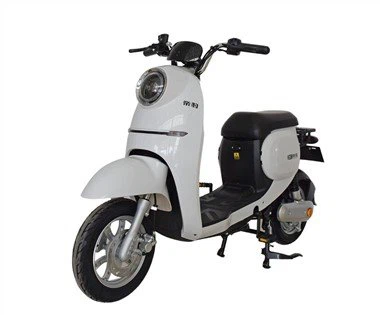
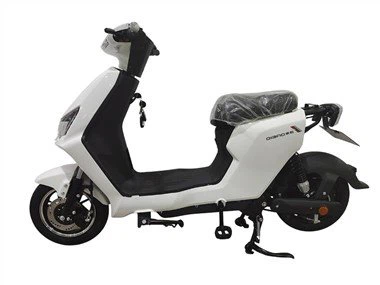
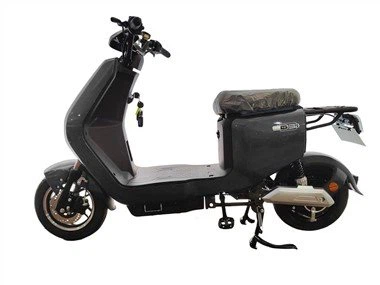
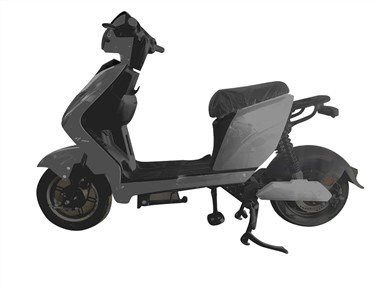
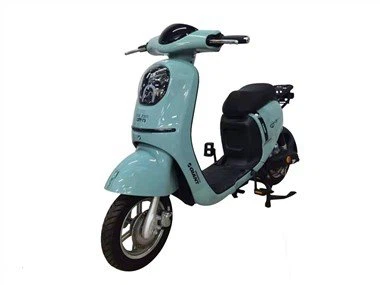
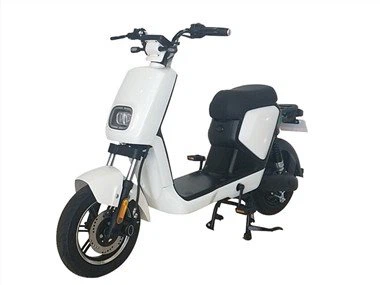
A lithium-ion electric scooter is a sleek and energy-efficient personal mobility device powered by lithium-ion battery technology. This type of electric scooter utilizes lithium-ion batteries for energy storage, providing a lightweight and high-capacity power source.
A lithium-ion electric scooter is a sleek and energy-efficient personal mobility device powered by lithium-ion battery technology. This type of electric scooter utilizes lithium-ion batteries for energy storage, providing a lightweight and high-capacity power source. Lithium-ion batteries are known for their efficiency, durability, and ability to store significant amounts of energy, allowing electric scooters to cover respectable distances on a single charge. These scooters are popular for urban commuting due to their zero-emission operation, contributing to environmental sustainability.
Advantages of Lithium Ion Electric Scooter
Extended Range And Battery Efficiency
Lithium-ion electric scooters boast a notable advantage in terms of extended range and battery efficiency. The high energy density of lithium-ion batteries allows these scooters to cover greater distances on a single charge compared to traditional battery technologies.
Low Maintenance Requirements
Lithium-ion electric scooters generally have lower maintenance requirements compared to traditional gas-powered scooters. The absence of complex internal combustion engines and the durability of lithium-ion batteries result in fewer mechanical issues, reducing the overall maintenance costs for riders.
Quick Charging Capability
One of the key advantages is the environmentally friendly nature of high speed electric cycles. By relying on electric power, these cycles produce zero emissions during operation, contributing to cleaner air and reduced carbon footprint.
Lightweight And Compact Design
A key advantage lies in the lightweight and compact design facilitated by lithium-ion battery technology. These batteries are known for their high energy-to-weight ratio, resulting in a more portable and maneuverable electric scooter.




Why Choose Us?
Quality Control
We have professional personnel to monitor the production process, inspect the products and ensure that the final product meets the required quality level standards, guidelines and specifications.
Rich Experience
Dedicated to strict quality control and attentive customer service, our experienced staff is always available to discuss your requirements and ensure complete customer satisfaction.
High Quality
Our products are manufactured or executed to very high standards, using the finest materials and manufacturing processes.
24h Online Service
We try and respond to all concerns within 24 hours and our teams are always at your disposal in case of any emergencies.
Frame
The frame is the structural foundation of the scooter, providing support and housing for all other components.
Battery Pack
The lithium-ion battery pack is a crucial component that stores electrical energy. It powers the electric motor and other electronic components of the scooter.
Electric Motor
The electric motor is responsible for converting electrical energy from the battery into mechanical energy to drive the scooter forward. It is usually located near the wheels.
Controller
The controller regulates the flow of electrical energy from the battery to the motor, managing speed and acceleration. It also plays a role in safety features and overall scooter performance.
Throttle
The throttle is a user interface that allows the rider to control the speed of the scooter. It's often a handlebar grip that, when twisted or pressed, signals the controller to adjust the motor's power output.
Brakes
Electric scooters typically have brake systems, which can include disc brakes, drum brakes, or regenerative braking systems that convert kinetic energy back into electrical energy to recharge the battery.
Wheels And Tires
These components provide the scooter with mobility and traction. The size and type of wheels can affect ride comfort and stability.
Suspension System
Some electric scooters come equipped with a suspension system, which helps absorb shocks and vibrations, providing a smoother ride, especially on uneven surfaces.
Charging Port
The charging port allows the user to recharge the battery. It is usually located on the scooter and may come with a cover or cap to protect it from dust and water.
Display Panel
Many electric scooters have a display panel that provides information to the rider, such as speed, battery level, and possibly other data like trip distance or mode selection.
Lights
Electric scooters typically have front and rear lights for visibility and safety, especially when riding in low-light conditions.
Handlebars And Controls
The handlebars house the controls, including the throttle, brake levers, and possibly additional features like horn or turn signals.
The Production Process of Lithium Ion Electric Scooter
Design And Planning
Engineers and designers create the scooter's specifications, taking into account factors such as performance, battery capacity, range, and design aesthetics.
Planning includes determining the materials to be used, manufacturing processes, and quality control measures.
Component manufacturing
Frame: The frame is manufactured using materials like aluminum or steel through processes such as welding or extrusion.
Battery pack: The lithium-ion battery cells are assembled into packs. The battery management system (bms) is integrated into the pack to monitor and manage individual cell voltages and temperatures.
Electric motor: The electric motor is produced, often involving the winding of copper coils, assembly of magnets, and housing.
Assembly
Components such as the frame, battery pack, electric motor, wheels, and other parts are brought together in the assembly line.
Wiring and connections are established to link the battery, motor, controller, and other electronic components.
The scooter's handlebars, display panel, lights, and other user interface elements are installed.
Quality Control
Each scooter undergoes rigorous testing to ensure it meets safety and performance standards.
The battery is tested for capacity, charging efficiency, and safety features.
The electric motor and controller are checked for proper functioning.
Quality control also involves inspecting the frame for structural integrity and other critical components for defects.
Finishing Touches
The scooter is subjected to final checks and adjustments.
Cosmetic elements, such as decals and paint, are applied.
Additional features like folding mechanisms, kickstands, or other accessories are added.
Testing
The fully assembled scooter undergoes testing on various parameters, including speed, acceleration, braking efficiency, and overall functionality.
Ride tests may be conducted to ensure the scooter performs well under real-world conditions.
Packaging And Shipping
Once a scooter passes all quality checks and tests, it is prepared for packaging.
Packaging includes securing the scooter to prevent damage during transportation.
The scooters are then shipped to distributors, retailers, or directly to customers.
How to Choose Lithium Ion Electric Scooter

Intended Use
Determine the primary purpose of the scooter. Will you be using it for commuting, recreational purposes, or both? Different scooters may be optimized for specific uses.
Range
Consider the scooter's range on a single charge. This is crucial for daily commuting. Choose a scooter that offers a range sufficient for your typical travel distances.
Top Speed
Check the scooter's top speed. Make sure it aligns with your desired speed for commuting or recreational riding.
Battery Capacity
Look into the battery capacity, typically measured in watt-hours (wh). A higher capacity generally means longer range, but it can also affect the weight of the scooter.
Charging Time
Consider the time it takes to charge the scooter fully. Some models offer fast-charging capabilities, which can be convenient if you need a quick recharge.
Motor Power
Check the power of the electric motor. Higher wattage motors generally provide better acceleration and climbing capabilities.
Weight Limit
Be aware of the scooter's weight limit to ensure it can safely accommodate your weight. Exceeding the weight limit may affect performance and safety.
Portability And Storage
If you need to carry or store the scooter frequently, consider its weight and whether it has features like a folding mechanism for easy portability.
Build Quality And Durability
Assess the build quality and materials used. A sturdy frame and durable components contribute to the scooter's longevity.
Braking System
Check the type of braking system the scooter uses. Disc brakes, drum brakes, or regenerative braking systems are common. Ensure they provide reliable stopping power.
Tires
Consider the type of tires the scooter has. Pneumatic (air-filled) tires generally provide a smoother ride, while solid tires are puncture-resistant but may offer a firmer ride.
Suspension
If you plan to ride on uneven or rough terrain, consider a scooter with a suspension system for better shock absorption.
Lighting And Safety Features
Look for scooters with front and rear lights for visibility, especially if you'll be riding in low-light conditions. Some scooters may also have additional safety features like reflectors or turn signals.
Price
Set a budget and choose a scooter that offers the features you need within that budget. Keep in mind that higher-priced models may come with advanced features and better build quality.
Warranty And Support
Check the warranty offered by the manufacturer. A good warranty provides peace of mind, and reputable customer support can be helpful if you encounter issues.
By carefully considering these factors, you can narrow down your options and choose a lithium-ion electric scooter that best fits your requirements. It's essential to prioritize features based on your specific needs and preferences.
Application of Lithium Ion Electric Scooter
Urban Commuting
Electric scooters are popular for short-distance commuting in urban areas. They are maneuverable, can navigate through traffic easily, and are often allowed in bike lanes.
Last-mile Transportation
Many people use electric scooters for the "last mile" of their commute, bridging the gap between public transportation stops and their final destinations.
Campus Transportation
Electric scooters are commonly used on college or corporate campuses. They are a quick and efficient way for students or employees to move between buildings and facilities.
Tourism And Recreation
Electric scooters are utilized in tourist areas and recreational spaces for sightseeing. They offer a fun and convenient way to explore attractions without the need for parking.
Delivery Services
Some delivery services, particularly in densely populated urban areas, use electric scooters for quick and efficient deliveries. This is common in the food delivery industry.
Rental Services
Many cities have electric scooter rental services where users can rent scooters for short trips. These services often use a smartphone app for easy access and payment.
Environmental Sustainability
Electric scooters contribute to environmentally friendly transportation. With zero emissions during operation, they help reduce air pollution and dependence on fossil fuels.
Personal Mobility
Individuals use electric scooters for personal mobility, especially those who prefer a smaller and more agile vehicle for short trips instead of a car.
Public Events And Festivals
Electric scooters are sometimes used at public events, festivals, and conventions. They provide a convenient way for attendees to move around large venues.
Health And Fitness
Electric scooters can be used as a form of active transportation, promoting physical activity and reducing the need for sedentary modes of travel.
Business And Corporate Fleets
Some businesses provide electric scooters as part of their corporate fleets for employee commuting or to encourage sustainable transportation practices.
Emergency Response
In some cases, electric scooters are employed by emergency services or security personnel in areas where a small and nimble vehicle is advantageous for quick response.
Government Initiatives
Municipalities and local governments may promote the use of electric scooters as part of their sustainable transportation initiatives, offering incentives or creating infrastructure to support their use.
Reducing Traffic Congestion
By providing an alternative mode of transportation, electric scooters contribute to efforts to alleviate traffic congestion in crowded urban areas.
What You Should Know When Use Lithium Ion Electric Scooter
Wear Safety Gear
Always wear appropriate safety gear, including a helmet, knee pads, and elbow pads. Safety gear can significantly reduce the risk of injury in case of accidents.
Check Local Regulations
Be aware of local regulations regarding the use of electric scooters. Some areas may have specific rules regarding where and how electric scooters can be ridden.
Inspect Your Scooter
Before each ride, inspect your scooter for any visible damage or loose components. Check the tires, brakes, lights, and ensure that all bolts and nuts are properly tightened.
Charge Safely
Charge the scooter in a well-ventilated area and use the charger provided by the manufacturer. Avoid overcharging the battery, and do not leave the scooter plugged in for an extended period after it's fully charged.
Monitor Battery Health
Keep an eye on the battery level and recharge it regularly. Lithium-ion batteries have a limited lifespan, and proper maintenance helps extend their longevity.
Follow Charging Guidelines
Charge the battery according to the manufacturer's recommendations. Avoid charging in extreme temperatures, and do not leave the scooter unattended while charging.
Be Mindful Of Weight Limit
Adhere to the scooter's weight limit. Exceeding the weight limit may affect the scooter's performance, stability, and safety.
Ride Responsibly
Follow traffic rules and ride responsibly. Use designated bike lanes where available and be cautious when sharing the road with other vehicles.
Practice Safe Riding Habits
Learn and practice safe riding habits, such as maintaining a steady speed, using turn signals when applicable, and being aware of your surroundings.
Avoid Distracted Riding
Avoid using your phone or other electronic devices while riding. Stay focused on the road and be aware of potential hazards.
Brake Carefully
Get accustomed to the scooter's braking system, whether it's disc brakes, drum brakes, or regenerative braking. Brake smoothly and gradually to avoid sudden stops.
Be Aware Of Terrain
Pay attention to the terrain you are riding on. Some scooters may not handle rough or uneven surfaces well. Use caution and adjust your speed accordingly.
Secure Your Scooter
When not in use, secure your scooter with a lock to prevent theft. Many electric scooters are portable and can be carried, making them attractive targets for theft.
Keep Emergency Supplies
Carry basic tools, a tire repair kit, and a first aid kit for emergencies. Being prepared can help you handle minor issues on the go.
Regular Maintenance
Perform regular maintenance tasks, such as checking and inflating tires, tightening bolts, and inspecting the brakes. Regular maintenance ensures the scooter operates optimally.
How to Maintain Lithium Ion Electric Scooter

Regular Inspections
Before each ride, conduct a visual inspection of the scooter. Check for loose bolts, damaged components, and any signs of wear. Pay attention to the tires, brakes, lights, and the overall condition of the scooter.
Tire Maintenance
Keep the tires properly inflated according to the manufacturer's recommendations. Inspect the tires for signs of wear or damage and replace them if necessary.
Brake System
Regularly check the brake system, including brake pads and discs. Ensure that the brakes are functioning correctly, and replace worn brake pads as needed.
Battery Care
Monitor the battery level regularly and recharge it as needed. Avoid letting the battery fully discharge, and follow the manufacturer's recommendations for charging intervals and conditions.
Charging Practices
Charge the scooter in a well-ventilated area and use the charger provided by the manufacturer. Avoid overcharging the battery, and unplug the scooter once it's fully charged to prevent unnecessary strain on the battery.
Store Properly
If storing the scooter for an extended period, store it in a cool, dry place. Before storing, charge the battery to around 50% to prevent over-discharge. Avoid exposing the scooter to extreme temperatures.
Clean Your Scooter
Regularly clean your scooter to remove dirt, dust, and debris. Use a soft cloth or sponge and mild soap. Avoid using high-pressure water, as it may damage electronic components.
Lubricate Moving Parts
Lubricate moving parts, such as folding mechanisms and hinges, with a suitable lubricant. This helps prevent rust and ensures smooth operation.
Check Lights And Electronics
Regularly check the lights, turn signals, and other electronic components. Replace any faulty bulbs or components promptly.
Inspect Wiring
Periodically inspect the wiring for any signs of damage or wear. Ensure that all connections are secure and that there are no exposed wires.
Update Firmware And Software
If your electric scooter has firmware or software updates, check for these periodically and update as needed. This can improve performance and address any potential issues.
Maintain Suspension
If your scooter has a suspension system, check for any signs of wear, and maintain it according to the manufacturer's recommendations.
Follow Recommended Service Intervals
Adhere to the recommended service intervals specified in the user manual. Some scooters may require professional maintenance for specific components.
Carry Basic Tools
Keep a small toolkit with basic tools, such as allen wrenches and screwdrivers, to address minor issues on the go.
Remember that regular maintenance not only ensures the safety and reliability of your electric scooter but also helps prevent more significant problems from developing over time.
What is the Typical Range of a Lithium-Ion Electric Scooter on a Single Charge
Short-range Scooters
Some entry-level electric scooters may offer a range of around 10 to 15 miles (16 to 24 kilometers) on a single charge. These scooters are often designed for short-distance commuting or recreational use.
Mid-range Scooters
Mid-range electric scooters typically have a range of 15 to 30 miles (24 to 48 kilometers). These scooters are suitable for daily commuting within urban or suburban areas.
Long-range Scooters
High-end electric scooters or those designed specifically for long-range commuting can provide ranges exceeding 30 miles (48 kilometers) and, in some cases, up to 60 miles (96 kilometers) or more on a single charge.
It's important to note that these are general estimates, and actual range can vary based on the factors mentioned earlier. For example, riding at higher speeds, on hilly terrain, or carrying heavier loads may reduce the scooter's range. Additionally, weather conditions, such as strong winds or extremely low temperatures, can impact battery performance.
When considering the range of an electric scooter, it's advisable to check the manufacturer's specifications for the specific model you are interested in, as they provide the most accurate and up-to-date information. Manufacturers often conduct tests under controlled conditions to determine the scooter's range, and these tests may be more representative of real-world usage.
What Safety Features are Commonly Found in Lithium-Ion Electric Scooters
Led lights
Front and rear led lights improve visibility, making the scooter more noticeable to pedestrians, cyclists, and other road users. Some scooters also have customizable lighting options.
Reflectors
Reflective elements or dedicated reflectors on the scooter enhance visibility, especially in low-light conditions. They contribute to making the scooter more visible from multiple angles.
Brake Lights
Similar to brake lights on cars, some electric scooters have integrated brake lights that illuminate when the rider applies the brakes, signaling to others that the scooter is slowing down or stopping.
Horn Or Bell
An audible alert system, such as a horn or bell, allows riders to alert pedestrians and other road users to their presence, enhancing communication and preventing collisions.
Fenders
Fenders over the wheels help prevent water and mud splashes, contributing to a safer and cleaner ride, especially in wet conditions.
Anti-lock Braking System
Some electric scooters feature an abs system that prevents wheel lock-up during hard braking, improving control and reducing the risk of skidding.
Electronic Stability Control
Esc systems help maintain stability during acceleration and braking, especially in slippery conditions. They contribute to preventing loss of control and potential accidents.
Speed Limiters
Many scooters have adjustable speed limiters or multiple riding modes, allowing users to set a maximum speed that suits their comfort level or specific riding conditions.
Kickstand Sensor
A safety feature that prevents the scooter from moving while the kickstand is down, reducing the risk of accidents when the scooter is stationary.
Low Battery Warning
A warning system that notifies riders when the battery is low, prompting them to recharge the scooter to avoid unexpected power loss during a ride.
Overcurrent Protection
Built-in safeguards to protect the scooter's electrical components from excessive current, helping prevent overheating and potential electrical issues.
Keyed Ignition Or App Locking
Some scooters have a keyed ignition or app-based locking systems, adding an extra layer of security to deter unauthorized use.
Smartphone Apps
Companion smartphone apps may provide real-time data, gps tracking, and additional safety features such as geofencing or anti-theft alerts.
Regenerative Braking
While primarily an energy-saving feature, regenerative braking can enhance safety by providing smoother and more controlled deceleration.
Ip Rating
Ingress protection (ip) ratings indicate the scooter's resistance to dust and water. A higher ip rating suggests better protection against environmental elements.
When selecting an electric scooter, it's essential to review the specific safety features offered by the manufacturer. Additionally, riders should follow local traffic laws, wear appropriate safety gear, and practice responsible riding habits to ensure a safe and enjoyable experience.
How do Electric Scooters Contribute to Environmental Sustainability Compared to Traditional Vehicles
Zero Emissions
Electric scooters produce zero tailpipe emissions during operation. This is in stark contrast to traditional gas-powered vehicles, which emit pollutants such as carbon monoxide, nitrogen oxides, and particulate matter, contributing to air pollution.
Reduced Greenhouse Gas Emissions
The use of electric scooters helps reduce overall greenhouse gas emissions, as the electricity used to charge their batteries can come from cleaner and more sustainable sources, such as renewable energy (solar, wind, hydro).
Energy Efficiency
Electric scooters are generally more energy-efficient than traditional internal combustion engine vehicles. Electric motors convert a higher percentage of the electrical energy from the battery into kinetic energy for propulsion, resulting in fewer energy losses.
Lower Energy Consumption
The energy required to charge an electric scooter is often lower than the energy needed to produce, refine, and transport traditional fuels for internal combustion engines.
Reduced Noise Pollution
Electric scooters are quieter than traditional vehicles with internal combustion engines, contributing to reduced noise pollution in urban environments. This can positively impact the quality of life for residents.
Compact Size And Traffic Congestion
Electric scooters are typically smaller and more maneuverable than cars, making them well-suited for navigating through traffic. This can help reduce traffic congestion and contribute to more efficient transportation systems.
Lower Resource Intensity
The manufacturing and maintenance of electric scooters generally have a lower environmental impact compared to traditional vehicles. Electric scooters often have fewer components, and the production of lithium-ion batteries has become more efficient and less resource-intensive over time.
Flexible Charging Infrastructure
Electric scooters can leverage existing electrical infrastructure for charging, and their charging stations can be deployed in a variety of locations. This flexibility makes it easier to integrate electric scooters into urban environments.
Promotion Of Sustainable Transportation Habits
Electric scooters are part of a broader movement toward sustainable and active transportation. They encourage individuals to choose environmentally friendly options for short-distance commuting, reducing reliance on fossil fuels.
It's important to note that while electric scooters offer environmental benefits, their overall impact depends on factors such as the source of electricity used for charging, the manufacturing process, and the end-of-life disposal/recycling of components. Additionally, responsible usage, maintenance, and disposal practices contribute to maximizing the environmental benefits of electric scooters.
Are There any Specific Maintenance Tasks That Need to be Performed Regularly on Electric Scooters
Tire Inspection And Inflation
Regularly check the tires for wear, cuts, or punctures. Maintain proper tire pressure as specified by the manufacturer.
Brake System Check
Inspect the brake pads and discs for wear. Adjust or replace brake pads as needed. Ensure that the brake system is functioning correctly.
Battery Maintenance
Monitor the battery level regularly and recharge it as needed. Avoid letting the battery fully discharge. Follow the manufacturer's recommendations for charging intervals and conditions.
Charging Port Inspection
Check the charging port for any debris or damage. Keep it clean to ensure a proper connection during charging.
Handlebar And Steering Check
Ensure that the handlebars are securely fastened, and the steering mechanism operates smoothly.
Lighting And Reflectors
Verify that all lights (front, rear, and turn signals) are working correctly. Clean reflectors and lights to enhance visibility.
Kickstand Inspection
Check the kickstand for proper operation. Ensure that it securely supports the scooter when parked.
Folding Mechanism Lubrication
If your scooter has a folding mechanism, apply lubricant as recommended by the manufacturer to keep it operating smoothly.
Frame And Components Inspection
Regularly inspect the frame and all components for signs of damage, loose bolts, or wear. Tighten bolts as needed.
Motor Performance Check
Monitor the performance of the electric motor. If you notice unusual noises or a decrease in power, consult the user manual or contact the manufacturer.
Suspension System Maintenance
If your scooter has a suspension system, check it for proper operation and adjust as needed.
Throttle And Brake Lever Check
Verify that the throttle and brake levers are functioning smoothly and adjust if necessary.
Wiring Inspection
Inspect the wiring for any signs of damage or wear. Ensure that all connections are secure.
Smartphone App Updates
If your scooter has a companion smartphone app, check for updates and install them to access the latest features and improvements.
Software/firmware Updates
If the scooter has software or firmware updates, follow the manufacturer's guidelines to keep the scooter's software up to date.
Test Ride
After performing maintenance tasks, take a short test ride to ensure that all components are functioning correctly.
Regular Cleaning
Keep the scooter clean by removing dirt, dust, and debris. Use a soft cloth or sponge and mild soap, and avoid using high-pressure water.
Emergency Supplies
Carry a small toolkit with basic tools, a tire repair kit, and a first aid kit for emergencies.
FAQ
Q: What is the typical range of a lithium-ion electric scooter on a single charge?
Q: How long does it take to charge an electric scooter fully?
Q: What safety features are common in electric scooters?
Q: Are there weight restrictions for riders on electric scooters?
Q: How do electric scooters contribute to environmental sustainability?
Q: What maintenance tasks should be performed regularly on electric scooters?
Q: Can electric scooters be used in inclement weather?
Q: What is regenerative braking in electric scooters?
Q: How do I maintain the battery health of my electric scooter?
Q: Are there specific regulations for using electric scooters in urban areas?
Q: What safety gear is recommended for electric scooter riders?
Q: Can electric scooters be ridden on different types of terrain?
Q: Are there smartphone apps for electric scooters?
Q: How do I secure my electric scooter against theft?
Q: What is the warranty coverage for electric scooters?
Q: Can electric scooters be used for long-distance commuting?
Q: Do electric scooters have age restrictions?
Q: How do I store my electric scooter for an extended period?
Q: Can I modify or customize my electric scooter?
Q: How can I dispose of my electric scooter responsibly?
Hot Tags: lithium ion electric scooter, China lithium ion electric scooter manufacturers, suppliers, factory, hpr 350 electric dirt bike, power bike motorcycle, best off road electric bike, ebike motorcycle, carbon fiber ebike, electric dirt bike 1000w


Send Inquiry
