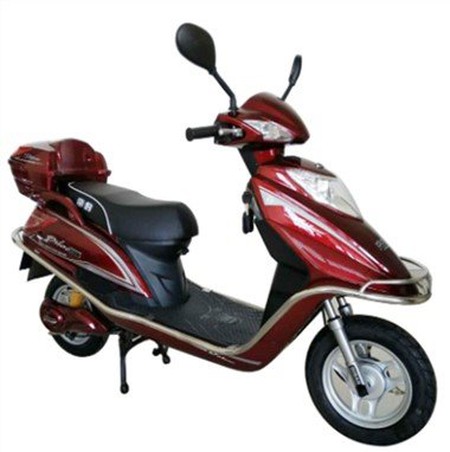
Old Electric Scooter

What is Old Electric Scooter?


An "old electric scooter" refers to an electric scooter that has been in use for a considerable period, indicating it's not a recent or new model. These scooters, having withstood the test of time, may exhibit signs of wear and tear, reflecting their history of usage. Despite their age, they continue to serve as a sustainable and convenient mode of transportation, contributing to eco-friendly mobility solutions. The older design and technology of these electric scooters showcase the evolution of electric transportation over time.

Advantages of Old Electric Scooter


Cost-effectiveness
Old electric scooters are often more affordable than their newer counterparts. This cost-effectiveness makes them an attractive option for individuals seeking an economical and environmentally friendly mode of transportation.


Simplicity And Reliability
The older models of electric scooters are known for their simplicity in design and mechanics. This simplicity contributes to increased reliability, as there are fewer complex components prone to malfunctions.


Sustainability And Green Credentials
Retaining their eco-friendly characteristics, old electric scooters continue to contribute to sustainable urban mobility. By choosing a used electric scooter, individuals actively participate in reducing their carbon footprint.


Customization And Vintage Appeal
Older electric scooters often possess a unique, vintage charm that appeals to enthusiasts and riders looking for a distinct aesthetic.

First 123 Last 1/3

Why Choose Us?

Quality Control

We have professional personnel to monitor the production process, inspect the products and ensure that the final product meets the required quality level standards, guidelines and specifications.

Rich Experience

Dedicated to strict quality control and attentive customer service, our experienced staff is always available to discuss your requirements and ensure complete customer satisfaction.

High Quality

Our products are manufactured or executed to very high standards, using the finest materials and manufacturing processes.

24h Online Service

We try and respond to all concerns within 24 hours and our teams are always at your disposal in case of any emergencies.

Features of Old Electric Scooter


Old electric scooters, characterized by their timeless design and enduring appeal, encompass a range of distinctive features. These classic models often boast simplicity in mechanics, promoting ease of maintenance and reliability. With sturdy frames and efficient electric motors, they provide a smooth and efficient ride, reflecting the engineering standards of their time. Many old electric scooters prioritize functionality, offering practical features such as ample storage space, comfortable seating, and user-friendly controls. Additionally, some vintage models showcase unique aesthetic elements, contributing to their charm and individuality. The enduring popularity of these scooters lies in their blend of practicality, durability, and a touch of nostalgia, making them a cherished choice for riders seeking a connection to the past while embracing eco-friendly transportation.


Working Principle of Old Electric Scooter

The working principle of an old electric scooter revolves around the fundamental concepts of electric propulsion. Typically, these scooters are equipped with a rechargeable battery pack that stores electrical energy. When the rider activates the scooter by engaging the throttle, the electric current flows from the battery to the electric motor. This motor, often located in the scooter's hub or wheel assembly, converts electrical energy into mechanical power, propelling the scooter forward. The rider controls the speed through the throttle, which regulates the amount of power delivered to the motor. Braking is achieved through the use of electric brakes or, in some cases, mechanical braking systems. The entire system is orchestrated by a controller, managing the flow of electricity and ensuring a responsive and efficient ride. The simplicity of this electric propulsion system contributes to the reliability and longevity of these old electric scooters, offering riders an eco-friendly and straightforward mode of transportation.

72V Electric Motorcycle
 
Components of Old Electric Scooter
 
01/

Battery Pack
The heart of the electric scooter, the battery pack stores electrical energy. In older models, lead-acid batteries were common, though some may have nickel-cadmium or nickel-metal hydride batteries. These batteries power the electric motor.

02/

Electric Motor
The electric motor is responsible for converting electrical energy from the battery into mechanical power. It is often integrated into the hub of the scooter's wheel, providing a direct drive system.

03/

Throttle
The throttle, usually a handlebar grip or a thumb lever, is the interface through which the rider controls the speed of the scooter. By manipulating the throttle, the rider adjusts the power delivered to the motor.

04/

Brake System
Old electric scooters employ either electric brakes or mechanical braking systems to bring the scooter to a stop. Electric brakes use the motor's resistance to slow down the scooter, while mechanical brakes physically engage with the scooter's wheels.

05/

Wheels And Tires
The wheels and tires contribute to the scooter's stability and maneuverability. Older models may have pneumatic (air-filled) tires or solid rubber tires, depending on the design and purpose of the scooter.

06/

Frame And Chassis
The frame provides the structure and support for the scooter. It encompasses the deck where the rider stands, the handlebars for steering, and often includes storage compartments or racks.

07/

Controller
The controller regulates the flow of electricity from the battery to the electric motor. It manages the speed and acceleration of the scooter, ensuring a smooth and controlled ride.

08/

Charging Port
For recharging the battery, an old electric scooter typically has a charging port. This allows the rider to connect the scooter to a power source for replenishing the battery's energy.

09/

Lights And Indicators
Some older electric scooters are equipped with headlights, taillights, and turn indicators to enhance visibility and safety during rides, especially in low-light conditions.

10/

Suspension System
Certain models may feature a suspension system, either in the front or rear, to absorb shocks and vibrations, providing a smoother ride over uneven surfaces.

The Production Process of Old Electric Scooter


Component Selection

Manufacturers choose the necessary components for the scooter, including the electric motor, battery, frame materials, tires, brakes, and other electronic components. This stage involves sourcing reliable and durable parts.

Battery Integration

The battery, a crucial component of an electric scooter, is integrated into the design. This involves creating a secure and efficient compartment for the battery, considering factors like weight distribution and accessibility for maintenance.

Frame Construction

The scooter's frame is constructed using materials like aluminum or steel. The frame design considers factors such as strength, weight, and durability. The frame may also include features like a deck for the rider's feet.

Motor Installation

The electric motor, whether hub-mounted or situated elsewhere, is installed in the scooter's frame. Wiring and connections are carefully established to ensure proper functioning.

Electronics Integration

Various electronic components, including the controller and throttle system, are integrated into the scooter. This stage ensures proper communication between different parts of the scooter's electrical system.

Assembly Of Components

The scooter's components, including the frame, battery, motor, and electronics, are assembled into the final product. This typically involves a production line with specialized stations for different tasks.

Quality Control

Rigorous quality control measures are implemented to check for any defects or issues. This includes testing the scooter's performance, checking for proper wiring, and ensuring that safety features function as intended.

Testing And Calibration

The assembled scooters undergo testing to ensure they meet performance standards. This includes test rides, battery testing, and calibration of electronic components to guarantee optimal functionality.

Packaging And Shipping

Once the scooters pass quality control and testing, they are packaged for shipment. This involves securing the scooters to prevent damage during transportation. The scooters are then distributed to retailers or directly to customers.

Battery Motorbike for Adults

How to Choose Old Electric Scooter


Age And Usage: Determine the age of the electric scooter and how extensively it has been used. Older scooters may have more wear and tear, affecting performance and longevity.


Battery Condition: Assess the condition of the battery. Inquire about its age, capacity, and any history of replacements. A well-maintained battery is crucial for optimal performance.


Range And Speed: Understand the scooter's range on a single charge and its maximum speed. Ensure that these specifications meet your commuting needs.


Charging Time: Check the charging time required for the scooter's battery. Faster charging times can contribute to a more convenient and practical ownership experience.


Motor Performance: Examine the specifications of the electric motor. Consider the type, power output, and efficiency of the motor for a smooth and reliable ride.


Frame And Build Quality: Assess the build quality and materials used in the scooter's frame. A sturdy and durable frame enhances the scooter's overall longevity and safety.


Tire Type And Condition: Verify the type of tires the scooter has (pneumatic or solid rubber) and their condition. Tires in good condition contribute to a comfortable and stable ride.


Braking System: Understand the braking system employed by the scooter. Both electric and mechanical braking systems should be in good working order for safety.


Suspension System: If the scooter is equipped with a suspension system, assess its condition. A well-maintained suspension enhances ride comfort, especially on uneven surfaces.


Weight Limit: Consider the weight limit specified for the scooter. Ensure it can comfortably accommodate your weight for safe and efficient operation.


Design And Aesthetics: Evaluate the scooter's design and aesthetics. While subjective, choosing a scooter with a style you appreciate can enhance your overall satisfaction with the purchase.


Availability Of Spare Parts: Check the availability of spare parts for the specific model. Ensuring easy access to replacement parts can simplify maintenance and repairs.


Safety Features: Verify the presence of safety features such as lights, reflectors, and any additional safety enhancements. These contribute to your visibility and overall safety on the road.


Test Ride: If feasible, test ride the scooter to assess its handling, responsiveness, and overall comfort. A test ride provides valuable insights into the scooter's condition and performance.

Integrated Drum Brake Electric Bicycle

What You Should Know When Use Old Electric Scooter


Battery Health
Assess the condition of the scooter's battery. Older batteries may have reduced capacity, affecting the scooter's range. Consider replacing the battery if it shows signs of significant wear.


Safety Inspection
Conduct a safety inspection, checking components such as brakes, lights, tires, and the frame. Ensure that all safety features are in proper working order to minimize risks while riding.


Test Ride
If possible, take the scooter for a test ride. This allows you to evaluate its handling, acceleration, braking, and overall performance. Pay attention to any unusual sounds or vibrations.


Weight Limit
Verify the scooter's weight limit to ensure it can safely accommodate your weight. Exceeding the weight limit may affect the scooter's performance and safety.


Availability Of Spare Parts
Check the availability of spare parts for the specific model. Knowing that replacement parts are accessible can simplify maintenance and repairs.


Local Regulations
Familiarize yourself with local regulations regarding electric scooters. Ensure that your scooter complies with any legal requirements, such as speed limits, lighting, and registration.


Terrain Compatibility
Consider the type of terrain you will be navigating. Some older scooters may not perform well on rough or uneven surfaces, so choose one that suits your intended riding environment.


Charging Infrastructure
Assess the availability of charging infrastructure in your area. Ensure that you have convenient access to charging points for the scooter's battery.


Emergency Preparedness
Carry basic tools, a tire repair kit, and have a plan for handling emergencies. Being prepared can help you address minor issues or challenges that may arise during your rides.


Weather Considerations
Be mindful of weather conditions. While many electric scooters can handle light rain, it's essential to avoid riding in heavy rain or on wet surfaces to prevent accidents.


Visibility And Reflectors
Enhance your visibility, especially during low-light conditions. Consider adding reflective elements or using additional lighting to make yourself more noticeable to other road users.


Riding Gear
Wear appropriate safety gear, including a helmet, gloves, and possibly knee and elbow pads. Safety gear can provide protection in the event of a fall or collision.


Learn Local Traffic Rules
Understand and adhere to local traffic rules. Respect traffic signals, pedestrian crossings, and any other regulations applicable to electric scooters in your area.

 
How to Maintain Old Electric Scooter

Regular Cleaning
Keep the scooter clean by wiping down the frame, wheels, and other components. Regular cleaning helps prevent the accumulation of dirt and debris, which can contribute to wear.

Check Tire Pressure
Monitor and maintain the proper tire pressure according to the manufacturer's recommendations. Adequate tire pressure ensures optimal performance and a smoother ride.

Inspect Brake System
Regularly inspect the brake system, including both electric and mechanical components. Ensure that brakes are responsive and adjust or replace brake pads if necessary.

Battery Care
Follow the manufacturer's guidelines for battery maintenance. Charge the battery regularly, and avoid letting it fully discharge. If the scooter uses lead-acid batteries, check the electrolyte levels and top up with distilled water if needed.

Verify Electrical Connections
Check all electrical connections, including wires, connectors, and the charging port. Ensure there are no loose connections or exposed wires that could lead to electrical issues.

Evaluate Motor Performance
Monitor the performance of the electric motor. If you notice any unusual noises or decreased efficiency, it may indicate a problem with the motor. Address issues promptly to prevent further damage.

Inspect Lights And Indicators
Regularly check the functioning of headlights, taillights, and turn indicators. Replace any bulbs or components that are not working to maintain visibility and comply with safety regulations.

Suspension Check
If your scooter has a suspension system, inspect it for wear and tear. Lubricate moving parts if necessary and address any issues with shocks or springs.

Test Throttle And Controls
Ensure the throttle and other controls are functioning correctly. Test the responsiveness of the throttle and check for any signs of wear on the handlebars or grips.

Evaluate Frame Integrity
Inspect the scooter's frame for any signs of damage or stress. Look for cracks, dents, or bent components. A structurally sound frame is essential for safety.

Check Belt Or Chain
If the scooter has a belt or chain drive system, inspect it for proper tension and signs of wear. Adjust or replace the belt or chain as needed to maintain efficient power transmission.

Lubricate Moving Parts
Lubricate moving parts such as hinges, pivots, and the scooter's folding mechanism. Use appropriate lubricants to prevent friction and ensure smooth operation.

Keep Charging System Clean
Ensure that the charging system, including the charging port, is clean and free from debris. Dirty connections can lead to charging issues.

Inspect Fuses
Check the scooter's fuses for any signs of damage. Replace blown fuses with ones of the correct rating to prevent electrical malfunctions.

Storage Considerations
If storing the scooter for an extended period, follow proper storage guidelines. Ensure the battery is charged, and store the scooter in a cool, dry place away from extreme temperatures.

 
What Type of Battery Technology Does Your Scooter Use

Lead-acid Batteries
These were often used in older electric scooters. While inexpensive, they are heavier and have a lower energy density compared to more modern battery technologies.


Nickel-cadmium (nicd) Batteries
Older electric scooters might have used nicd batteries, which have a moderate energy density but are less common today due to environmental concerns related to cadmium.


Nickel-metal Hydride (nimh) Batteries
Nimh batteries offer a higher energy density compared to nicd and were used in some older electric scooters. They are less toxic and have a better environmental profile.


Lithium-ion (li-ion) Batteries
Li-ion batteries are prevalent in modern electric scooters, but some older models may have adopted this technology as well. Li-ion batteries provide high energy density, are lightweight, and have become the

standard for many electric vehicles.


Lithium Iron Phosphate (lifepo4) Batteries
Lifepo4 batteries are a type of lithium-ion battery known for their stability and longer cycle life. Some electric scooters, especially those designed for longevity, may use lifepo4 batteries.

What Accessories or Additional Features Have You Added to Your Electric Scooter
 

Led Lights
Enhance visibility by adding led lights to the scooter, including headlights, taillights, and colorful underglow lights.


Phone Mount
Install a secure phone mount to keep your smartphone easily accessible for navigation or music while riding.


Baskets Or Cargo Racks
Attach baskets or cargo racks to increase storage space for carrying groceries, bags, or other items.


Mirrors
Add rearview mirrors to improve awareness of your surroundings and enhance safety while riding.


Horns Or Bells
Increase your presence on the road by installing a horn or bell to alert pedestrians and other vehicles.

Two Wheeler Battery Scooter


Lithium Powered Scooter

Custom Grips And Handlebars
Personalize your scooter by upgrading to custom grips or handlebars for added comfort and style.


Fenders
Attach fenders to protect yourself from water splashes and mud while riding in different weather conditions.


Security Features
Invest in anti-theft accessories such as locks or alarms to deter theft and secure your scooter when parked.


Seat Upgrades
Some scooters allow for seat attachments, providing a more comfortable sitting option for longer rides.


Reflective Stickers Or Tape
Improve visibility during low-light conditions by adding reflective stickers or tape to various parts of the scooter.


Shock Absorbers Or Suspension Upgrades
Upgrade the suspension system or add shock absorbers to improve ride comfort, especially on uneven surfaces.


Weather Protection
Invest in weather-resistant accessories such as rain covers or waterproof bags to protect your scooter and belongings.


Custom Decals Or Wraps
Personalize your scooter's appearance with custom decals or wraps to showcase your style.


Upgraded Wheels Or Tires
Consider upgrading to high-performance wheels or tires for improved traction and a smoother ride.


Extended Range Batteries
If compatible with your scooter model, you may explore options for extended range batteries to increase the distance your scooter can cover on a single charge.


Before adding any accessories, ensure they are compatible with your specific scooter model and adhere to safety regulations. Additionally, consider the local laws and regulations regarding the use of certain accessories on electric scooters.

High Speed Ebikes

What is the Current Condition of The Battery, and How Long Does it Last on a Full Charge


Battery Health Check
Check the battery's physical condition, looking for any visible damage, leaks, or swelling. Examine the battery terminals and connections for corrosion or loose wiring.


Voltage Check
Use a multimeter to measure the voltage of the battery. A fully charged battery should typically read close to its rated voltage. Refer to the scooter's user manual for the recommended voltage range.


Charge Capacity
Observe how long it takes to charge the battery fully. If the charging time has significantly increased over time, it may indicate a decrease in the battery's capacity.


Recorded Range
Keep track of the distance your scooter covers on a full charge. This will give you an indication of the battery's current range. If you notice a significant decrease in range, it could suggest a decline in battery health.


User Manual Information
Refer to the scooter's user manual for information about the original battery specifications, expected range on a full charge, and any guidelines for assessing battery health.


Diagnostic Tools
Some electric scooters come with diagnostic tools or apps that provide information about battery health and usage. Check if your scooter has any such features.


Professional Inspection
If you are unsure about the battery's condition, consider taking your scooter to a professional technician or the manufacturer's service center for a thorough inspection.


It's important to note that the lifespan and performance of electric scooter batteries can be influenced by factors such as usage patterns, charging habits, and environmental conditions. If you are experiencing significant issues with your scooter's battery, it may be worth considering a replacement or consulting with the manufacturer for guidance.

Materials Used in Old Electric Scooter


Old electric scooters were constructed using a variety of materials that reflected the manufacturing practices of their time. The frames were commonly made from durable metals such as steel or aluminum, providing a robust and stable structure. Components like the handlebars and grips often featured materials like rubber or plastic for comfort and ease of use. The wheels utilized materials such as rubber tires or solid rubber for traction and durability. Additionally, older scooters incorporated batteries with varying technologies, including lead-acid, nickel-cadmium, or nickel-metal hydride, each housed in protective casings. The combination of these materials contributed to the overall design, functionality, and longevity of the vintage electric scooters.

 
Can the Battery be Easily Replaced or Upgraded

Battery Compatibility
Check if the scooter's design allows for different battery types or if there are standardized battery sizes. Some scooters are built to accommodate specific battery sizes and technologies.


Access To Battery Compartment
Evaluate how easily you can access the battery compartment. If it's designed with user-friendly access points, replacing or upgrading the battery may be simpler.


Modifications And Customization
Some electric scooters are designed to allow modifications, including battery upgrades. Before making any changes, ensure that the scooter supports such customizations without compromising safety or performance.


User Manual Guidance
Refer to the scooter's user manual for information on battery replacement or upgrades. The manual may provide specific instructions, recommended battery types, and any precautions to consider.


Technical Expertise
Assess your technical proficiency or seek professional assistance. If you're comfortable working with electric systems and components, you may be able to replace or upgrade the battery yourself. Otherwise, it's advisable to consult a technician.


Availability Of Replacement Batteries
Check if replacement batteries compatible with your scooter model are readily available in the market. Some older models may have discontinued battery types, making replacements challenging.


Voltage And Capacity Considerations
Ensure that any replacement or upgraded battery has compatible voltage and capacity specifications. Mismatched batteries can lead to performance issues or damage to the scooter's electrical components.


Manufacturer Support
Contact the manufacturer or check their official website for information on battery replacement or upgrades. Some manufacturers may offer guidance, replacement parts, or even official upgrade options.


Remember that the process of replacing or upgrading a battery in an old electric scooter may vary significantly between models. It's essential to approach such modifications with caution, ensuring that any changes made are safe, compatible, and align with the scooter's original design specifications.

What is the Estimated Battery Life of the Scooter


Battery Type
Different battery technologies have varying lifespans. Lead-acid batteries typically have a shorter lifespan compared to lithium-ion batteries. Lithium-ion batteries, including variations like lifepo4, tend to offer longer life cycles.


Charge Cycles
Battery life is often measured in charge cycles, which represent a full 0% to 100% charge. Lithium-ion batteries typically have a lifespan of several hundred charge cycles, while lead-acid batteries may have fewer.


Usage Patterns
The way you use and charge the scooter impacts battery life. Frequent deep discharges and rapid charging can contribute to a shorter battery life. Consistent and moderate usage, along with regular charging, can extend the battery's lifespan.


Environmental Factors
Temperature extremes, both high and low, can affect battery performance and lifespan. Storing or operating the scooter in extreme temperatures may reduce the battery's overall life.


Manufacturer Specifications
Check the manufacturer's specifications or user manual for information on the estimated battery life. This information can provide insights into the expected longevity of the scooter's battery.


Maintenance Practices
Regular maintenance, including proper charging practices and periodic checks for signs of battery degradation, can help maximize the battery's lifespan.


Replacement Considerations
If your scooter is significantly older, it's worth considering that the original battery may have surpassed its typical lifespan. In such cases, replacing the battery may be necessary for optimal performance.


As a general guideline, lithium-ion batteries used in electric scooters can last anywhere from 500 to 1,000 charge cycles or more, depending on the specific chemistry and quality. Lead-acid batteries may have a lifespan of 200 to 300 charge cycles.

 
How Long Does it Take to Charge the Scooter's Battery Fully

Standard Charging Time
The average charging time for electric scooters ranges from 3 to 8 hours. This can vary depending on the scooter's battery capacity, which is typically measured in watt-hours (wh) or ampere-hours (ah).


Fast Charging Options
Some electric scooters come with fast-charging capabilities that can significantly reduce the charging time. Fast chargers can provide a full charge in approximately 1 to 3 hours.


Charger Output
The charger's output power plays a crucial role in determining charging time. Higher output chargers deliver more power to the battery, reducing the overall charging duration.


Battery Health
The condition of the scooter's battery also influences charging time. Over time, batteries may experience capacity degradation, which can extend charging times.

Charging from empty vs. Partial charge:
Charging from a fully depleted battery (0%) generally takes longer than topping up a partially charged battery. Lithium-ion batteries, common in electric scooters, often benefit from partial charging rather than complete discharges.


Manufacturer's Specifications
For precise information, refer to the scooter's user manual or manufacturer's specifications. These documents typically provide details on battery capacity and recommended charging times.


Charging Infrastructure
The availability of charging infrastructure plays a role. If you have access to high-power charging stations, it may reduce charging times compared to using a standard household outlet.


Charging Habits
Consistent charging habits, such as avoiding frequent deep discharges and following proper charging procedures, can contribute to maintaining an efficient and timely charging process.


Remember that while faster charging may be convenient, it's essential to balance speed with the health of the battery. Continuous use of fast-charging options without regard for battery health considerations can potentially impact the long-term performance of the battery. Always follow the manufacturer's recommendations for charging practices outlined in the user manual.

fAQ

Q: What brand and model is your old electric scooter?

A: The old electric scooter in question is a, manufactured during.

Q: How long has the electric scooter been in use?

A: The scooter has been in use for approximately years.

Q: What type of battery does the scooter use?

A: The scooter is equipped with a [type of battery] battery.

Q: Can the battery be easily replaced or upgraded?

A: Yes, the battery can be replaced with relative ease. However, upgrading may require careful consideration of compatibility and technical specifications.

Q: What is the estimated battery life of the scooter?

A: The estimated battery life is around [number] charge cycles, with regular maintenance and proper charging practices.

Q: How does the scooter handle different terrains?

A: The scooter is designed for urban environments but can handle light terrains. It's recommended to avoid rough surfaces for optimal performance.

Q: What is the top speed of the scooter?

A: The scooter has a top speed of approximately [speed] mph/kph.

Q: Are there any safety features on the scooter?

A: Yes, the scooter is equipped with safety features, including specific features like lights, reflectors, etc.

Q: Can the scooter be folded for easy storage and transportation?

A: Yes, the scooter is designed to be foldable, making it convenient for storage and transportation.

Q: What type of tires does the scooter have?

A: The scooter features type of tires, providing stability and traction during rides.

Q: How often should the scooter undergo maintenance?

A: Regular maintenance is recommended every [time interval] or after [mileage/kilometer interval] miles/kilometers.

Q: Is the scooter compatible with modern accessories or upgrades?

A: Some modern accessories can be compatible, but extensive upgrades may require careful consideration of compatibility with the older model.

Q: Does the scooter have regenerative braking?

A: No, the scooter does not have regenerative braking. It uses [type of braking system] for deceleration.

Q: What is the weight limit for riders on the scooter?

A: The scooter has a recommended weight limit of [weight limit] pounds/kilograms for safe operation.

Q: How long does it take to charge the scooter's battery fully?

A: Charging time varies, but on average, it takes approximately [charging time] hours for a full charge.

Q: Are replacement parts readily available for this model?

A: Yes, replacement parts are generally available. However, availability may depend on the specific component and the scooter's model.

Q: Can the scooter be used in wet or rainy conditions?

A: While the scooter can handle light rain, it is not recommended for use in heavy rain or on wet surfaces to ensure rider safety.

Q: Is the scooter compliant with current safety and emission standards?

A: The scooter was compliant with safety and emission standards at the time of its manufacture. However, it's advisable to check current regulations.

Q: How has technology in electric scooters evolved since this model was introduced?

A: Technological advancements include improved battery efficiency, lighter materials, enhanced safety features, and increased connectivity.

Q: Can the scooter be considered a collector's item due to its age or rarity?

A: Depending on its condition and rarity, the scooter may be considered a collector's item, especially if it represents a specific era in electric scooter development.

As one of the leading old electric scooter manufacturers and suppliers in China, we warmly welcome you to buy high-grade old electric scooter for sale here from our factory. All products made in China are with high quality and competitive price. For pricelist, contact us now.

Electric Scooter Suitable for Students, High Speed Electric Motorbike, Adult Two-wheel Electric Scooter

(0/10)

clearall