



Pedal Powered Scooter
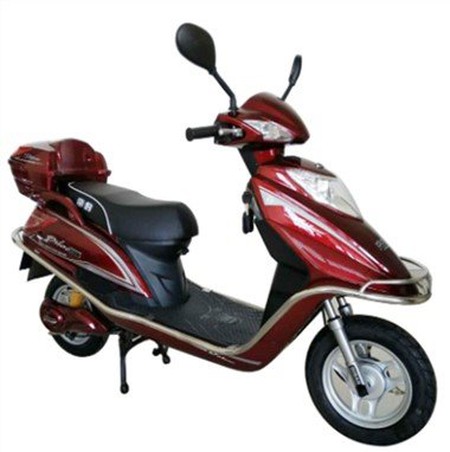
A pedal powered scooter is a unique and eco-friendly personal transportation device that combines the efficiency of pedaling with the convenience of a scooter. Unlike traditional scooters that rely solely on an engine, these scooters incorporate pedals to assist the rider's propulsion.
A pedal powered scooter is a unique and eco-friendly personal transportation device that combines the efficiency of pedaling with the convenience of a scooter. Unlike traditional scooters that rely solely on an engine, these scooters incorporate pedals to assist the rider's propulsion. Operating on a human-electric hybrid system, the pedal power augments the scooter's speed, providing an active and engaging riding experience. This design promotes a sustainable and healthy mode of transportation, as riders can choose to pedal for exercise or rely on the scooter's electric assistance for a more leisurely journey.
Eco-friendly Commuting
A significant advantage of pedal powered scooters is their eco-friendly nature. By incorporating human-powered pedals alongside electric assistance, these scooters contribute to reduced carbon emissions and a lower environmental impact.
Active And Healthy Lifestyle
Pedal powered scooters provide riders with the option to engage in physical activity while commuting. The incorporation of pedals encourages an active and healthy lifestyle, allowing individuals to incorporate exercise into their daily routines.
Cost-effective Transportation
Operating on a human-electric hybrid system, pedal powered scooters can be more cost-effective than traditional motorized scooters. The human-powered aspect reduces reliance on electric power, leading to potential energy savings and lower operating costs.
Increased Range And Versatility
Pedal powered scooters offer increased range and versatility compared to solely electric scooters. Riders can choose to pedal for exercise, extend the scooter's range, or rely on electric assistance for a more leisurely ride.


Why Choose Us?
Quality Control
We have professional personnel to monitor the production process, inspect the products and ensure that the final product meets the required quality level standards, guidelines and specifications.
Rich Experience
Dedicated to strict quality control and attentive customer service, our experienced staff is always available to discuss your requirements and ensure complete customer satisfaction.
High Quality
Our products are manufactured or executed to very high standards, using the finest materials and manufacturing processes.
24h Online Service
We try and respond to all concerns within 24 hours and our teams are always at your disposal in case of any emergencies.
Frame
The frame serves as the main structural component, providing support and housing for other components. It is designed to be lightweight yet durable.
Pedals
Pedals are the parts that the rider pushes with their feet to generate the rotational force needed to propel the scooter forward. They are attached to a crankshaft.
Crankshaft
The crankshaft connects the pedals to the wheel(s) and transforms the linear motion of the pedals into rotational motion, propelling the scooter forward.
Chain Or Belt Drive
A chain or belt is used to transmit the rotational motion from the crankshaft to the wheel(s). This component is crucial for transferring power efficiently.
Wheels
Wheels provide the necessary contact with the ground and determine the scooter's stability and maneuverability. Some designs may have a single wheel, while others might have two or more.
Brakes
Brakes are essential for controlling the speed and stopping the scooter when needed. Different types of braking systems, such as caliper brakes or disc brakes, may be used.
Handlebars
Handlebars provide the rider with a means of steering and controlling the direction of the scooter. They are attached to the front fork.
Front Fork
The front fork connects the front wheel to the frame and allows for the steering of the scooter. It is a crucial part of the steering system.
Seat Or Saddle
Some pedal-powered scooters may include a seat or saddle for the rider's comfort, while others may be designed for standing.
Gearing System
Some pedal-powered scooters may incorporate a gearing system to provide different levels of resistance or speed options for the rider.
Kickstand
A kickstand is a simple device attached to the frame that allows the scooter to stand upright when not in use.
Optional Features
Depending on the design and purpose, pedal-powered scooters may include additional features such as lights, fenders, cargo racks, or other accessories.
The Production Process of Pedal Powered Scooter
Materials And Components Sourcing
Source raw materials: Acquire materials such as metal alloys, plastics, rubber, and other components needed for the scooter's construction.
Supplier selection: Choose reliable suppliers for various components to ensure quality and consistency.
Manufacturing
Frame fabrication: Cut, shape, and weld metal components to create the scooter frame.
Component production: Manufacture other components like wheels, pedals, crankshafts, and handlebars.
Surface treatment: Apply finishes such as painting or powder coating to enhance aesthetics and protect against corrosion.
Assembly
Assembly line: Set up an assembly line where workers put together the various components to build the complete scooter.
Quality control: Implement quality checks at different stages of assembly to ensure that each scooter meets specified standards.
Testing: Conduct final tests on assembled scooters to verify functionality and safety.
Packaging And Shipping
Packaging: Package the scooters securely to prevent damage during transportation.
Shipping: Arrange for the transportation of finished scooters to distribution centers or retailers.
Distribution And Sales
Distribution channels: Determine distribution channels, whether through retailers, distributors, or online platforms.
Marketing: Develop marketing strategies to promote the pedal-powered scooters and attract consumers.
Post-sale Support
Customer service: Provide customer support for inquiries, issues, and warranty claims.
Maintenance and repairs: Offer guidance on maintenance and repair procedures or services.
Throughout the production process, manufacturers must adhere to industry standards and regulations related to product safety, environmental impact, and quality control. Continuous improvement and innovation are also important to stay competitive in the market. Additionally, some manufacturers may incorporate sustainable practices in their production processes to minimize environmental impact.
How to Choose Pedal Powered Scooter
Intended Use
Commute or recreation: Determine whether you need the scooter for commuting to work or school, or if it's primarily for recreational use.
Riding Surface
Terrain: Consider the type of terrain you'll be riding on. Some scooters are better suited for smooth surfaces, while others may handle rougher terrains.
Frame Material
Material: Pay attention to the material used for the frame. Common materials include aluminum and steel. Aluminum is lightweight and resistant to rust, while steel tends to be more robust but heavier.
Size And Weight Capacity
Size: Choose a scooter with an appropriate size for your height and body build.
Weight capacity: Consider the scooter's weight capacity to ensure it can support your weight comfortably.
Wheels And Tires
Wheel size: Larger wheels provide better stability and a smoother ride. Smaller wheels are more maneuverable.
Tire type: Air-filled tires offer better shock absorption, while solid or foam-filled tires require less maintenance.
Braking System
Type of brakes: Check the braking system, which can include caliper brakes, disc brakes, or coaster brakes. Disc brakes generally offer better stopping power.
Gearing System
Gears: Some scooters may have multiple gears, allowing you to adjust resistance for different riding conditions. Single-speed scooters are simpler but may be limited in versatility.
Foldability And Portability
Foldability: If you need to carry or store the scooter frequently, consider a foldable design for easier transport and storage.
Adjustability
Handlebar height: Choose a scooter with adjustable handlebar height for a comfortable riding position.
Seat adjustment: If the scooter has a seat, ensure it's adjustable to suit your comfort.
Cost And Budget
Affordability: Set a budget and look for scooters within that range. Consider the features and quality that align with your budget.
Brand Reputation And Reviews
Research: Look for reputable brands with positive reviews. Consider feedback from users who have similar needs.
Test Ride
Try before buying: If possible, test ride the scooter to assess its comfort, maneuverability, and overall feel.
Maintenance Requirements
Maintenance: Consider the maintenance requirements of the scooter. Some may require more frequent upkeep than others.
Legal Considerations
Local regulations: Be aware of any local regulations or restrictions regarding the use of pedal-powered scooters.
Environmental Impact
Sustainability: If environmental impact is important to you, consider scooters from manufacturers with a commitment to sustainability.
Application of Pedal Powered Scooter
Last-mile Transportation
Pedal-powered scooters are often used for short-distance commuting, especially in urban areas. They provide an efficient solution for covering the last few miles between public transportation stops and final destinations.
Promotional Activities
Pedal-powered scooters can be used for promotional events and advertising. Companies may brand and use them as a creative and attention-grabbing way to promote products or services.
Eco-friendly Commuting
As a green transportation option, pedal-powered scooters contribute to reducing carbon emissions and environmental impact, making them a sustainable choice for daily commuting.
Fitness And Exercise
Riding a pedal-powered scooter is a form of exercise that engages the lower body muscles. It can be a fun and effective way to stay active and incorporate physical activity into daily routines.
Campus Transportation
Pedal-powered scooters are popular on college and university campuses. They provide a quick and convenient means of getting around large campuses, helping students and staff move between classes, dorms, and other facilities.
Tourism And Sightseeing
Pedal-powered scooters are used in tourist destinations as a means of exploring the surroundings. Tour operators may provide guided scooter tours for visitors to explore local attractions.
Delivery Services
In some urban areas, pedal-powered scooters are used for local delivery services. They are well-suited for small, lightweight deliveries in congested city environments.
Recreational Riding
Pedal-powered scooters can be used for recreational purposes, offering an enjoyable and eco-friendly way to explore parks, trails, and recreational areas.
Fitness And Sports Events
Pedal-powered scooters are sometimes used in fitness and sports events, such as scooter races or relay races. These events promote physical activity and a sense of community.
Cycling Infrastructure Advocacy
Pedal-powered scooters can be used to advocate for better cycling infrastructure and promote the benefits of human-powered transportation in communities.
Public Bike-sharing Systems
In some cities, pedal-powered scooters are incorporated into public bike-sharing systems, providing users with additional options for short trips.
Community Events And Parades
Pedal-powered scooters can be part of community events, parades, and festivals. They are often decorated and used as a festive and sustainable mode of transportation.
What You Should Know When Use Pedal Powered Scooter


Safety Gear
Helmet: Always wear a properly fitting helmet to protect your head in case of accidents or falls.
Protective gear: Consider wearing knee and elbow pads, especially if you are new to riding or planning to ride in challenging conditions.
Traffic Rules And Regulations
Know the rules: Familiarize yourself with local traffic rules and regulations related to the use of pedal-powered scooters. Follow traffic signals and signs.
Visibility
Reflectors and lights: Ensure that your scooter has reflectors and, if riding at night, use lights to enhance visibility. Be aware that some areas may have specific requirements for visibility equipment.
Maintenance
Regular checks: Regularly inspect your scooter for any signs of wear or damage. Pay attention to the brakes, tires, and other crucial components.
Tire pressure: Maintain proper tire pressure for optimal performance and control.
Terrain Considerations
Surface conditions: Be cautious of the terrain you are riding on. Pedal-powered scooters are generally better suited for smooth surfaces, so avoid rough terrains that could impact stability.
Riding Technique
Balancing: Practice maintaining balance, especially if you are new to riding a scooter. Start in a controlled environment before venturing into busier areas.
Turning and braking: Learn to make controlled turns and practice using the brakes effectively.
Awareness Of Surroundings
Stay alert: Be aware of your surroundings and anticipate potential hazards. Keep an eye on traffic, pedestrians, and other obstacles.
Traffic Interaction
Be predictable: Follow a predictable path and signal your intentions when turning or stopping.
Use bike lanes: If available, use designated bike lanes to enhance your safety and the flow of traffic.
Weight Capacity
Respect limits: Adhere to the weight capacity specified by the manufacturer to ensure the scooter's structural integrity and safety.
Weather Considerations
Weather conditions: Exercise caution when riding in adverse weather conditions. Wet or slippery surfaces can affect the scooter's traction.
Legal Considerations
Local regulations: Be aware of any local laws regarding the use of pedal-powered scooters. Some areas may have specific regulations, age restrictions, or designated areas for their use.
Secure Parking
Locking mechanism: If you need to leave your scooter unattended, use a reliable locking mechanism to deter theft.
Rider Courtesy
Respect others: Be considerate of pedestrians and other cyclists. Yield the right of way when necessary.
Emergency Preparedness
Know emergency procedures: Familiarize yourself with emergency procedures, such as how to respond to accidents or mechanical failures.
Skill Development
Continuous improvement: Regularly practice and seek to improve your riding skills. Consider taking a safety course if available.
By prioritizing safety, following traffic rules, and maintaining your pedal-powered scooter properly, you can ensure a safer and more enjoyable riding experience. Always exercise caution, especially in busy or unfamiliar environments.
How to Maintain Pedal Powered Scooter
Maintaining your pedal-powered scooter is essential to ensure its longevity, safety, and optimal performance. Regular maintenance helps prevent issues and ensures a smooth and enjoyable riding experience.
Keep It Clean
Regularly clean your scooter, especially after riding in dusty or muddy conditions. Use a soft cloth or sponge and mild detergent to remove dirt and grime. Avoid using a high-pressure hose, as it may damage sensitive components.
Inspect The Frame And Components
Periodically inspect the frame, forks, and other components for signs of damage or wear. Check for loose bolts, nuts, or any other parts that may need tightening.
Check The Tires
Inspect the tires for wear and tear. Ensure they are properly inflated according to the manufacturer's recommendations. Replace any damaged or excessively worn tires.
Verify Brake System
Regularly check the brake system for proper functionality. Inspect brake pads for wear and replace them if needed. Adjust the brakes to ensure optimal performance and responsiveness.
Lubricate Moving Parts
Apply lubricant to moving parts such as the chain, pedals, and gears. This helps reduce friction, ensures smooth operation, and prevents premature wear. Wipe off excess lubricant to avoid attracting dirt.
Inspect The Chain
Regularly check the chain for proper tension and alignment. If the chain is loose, adjust it according to the manufacturer's guidelines. Clean the chain and reapply lubricant as necessary.
Inspect Bearings
Check and lubricate the bearings in the wheels, pedals, and other rotating components. Bearings that show signs of wear or resistance may need replacement.
Check The Gears
If your scooter has gears, inspect them for proper engagement and functionality. Make adjustments as needed to ensure smooth shifting.
Inspect Lights And Reflectors
If your scooter is equipped with lights or reflectors, make sure they are functioning correctly. Replace any bulbs or batteries as necessary for visibility and safety, especially if riding in low-light conditions.
Adjust Handlebars And Seat
Check the handlebars and seat for proper adjustment. Ensure that they are securely fastened and tightened to your preferred riding position.
Inspect The Kickstand
Makesure the kickstand is in good condition and operates properly. A stable kickstand is crucial for parking and storing the scooter securely.
Test Ride
After perorming maintenance tasks, take a short test ride to ensure that everything is working as expected. Pay attention to any unusual sounds, vibrations, or handling issues.
Follow Manufacturer's Guidelines
Refer to the manufacturer's manual for specific maintenance recommendations and schedules. Different scooters may have unique requirements based on their design and materials.
By regularly inspecting and maintaining your pedal-powered scooter, you can extend its lifespan, enhance safety, and enjoy a more reliable and efficient ride. If you are unsure about specific maintenance procedures, consult the manufacturer's guidelines or seek assistance from a professional bicycle or scooter mechanic.
What are the Key Components of a Pedal-Powered Scooter
Frame: The main structural component that supports and connects other parts of the scooter.
Pedals:Platform or attached components that the rider pushes with their feet to propel the scooter forward.
Crankshaft:Connects the pedals to the wheel(s) and converts the linear motion of pedaling into rotational motion.
Chain Or Belt Drive:Transmits the rotational motion from the crankshaft to the wheel(s) to propel the scooter.
Wheels:Provide contact with the ground and determine stability and maneuverability.
Brakes:Systems for slowing down or stopping the scooter, commonly caliper brakes, disc brakes, or coaster brakes.
Handlebars:Steering component attached to the front fork for controlling the direction of the scooter.
Front ForkConnects the front wheel to the frame, allowing for steering.
Seat Or Saddle:Optional component for sitting during riding, depending on the scooter design.
Gearing System:Some scooters have a gearing system to provide different levels of resistance or speed.
Kickstand:A stand that supports the scooter when not in use.
Lights And Reflectors:For visibility and safety, especially in low-light conditions.
Fenders:Covers over the wheels to prevent mud or water splashes.
Grips:Handlebar grips for a comfortable and secure hold.
Bolts And Nuts:Various fasteners that hold components together; need regular checking for tightness.
Tires:Rubber coverings on wheels, may be air-filled, solid, or foam-filled.
Mudguards:Shields that help protect the rider from mud and water.
Adjustable Seatpost:Allows the rider to adjust the height of the seat for comfort.
Reflectors Or Lights:Enhances visibility, particularly during low-light conditions.
Bell Or Horn:Audible signaling devices for alerting others.
These components work together to provide a functional, safe, and comfortable riding experience for the user. When choosing or maintaining a pedal-powered scooter, it's important to consider the quality, materials, and design of these components to ensure durability and performance.
Caliper Brakes
Mechanism: Caliper brakes work by squeezing brake pads against the sides of the wheel rim.
Operation: When the rider applies pressure to the brake lever, a cable connected to the brake lever pulls the caliper arms, causing the brake pads to press against the wheel rim.
Advantages: Caliper brakes are lightweight, simple, and cost-effective. They are commonly found on many traditional pedal-powered scooters.
Disc Brakes
Mechanism: Disc brakes use a rotor attached to the wheel hub. When braking, calipers with brake pads clamp onto the rotor to create friction and slow down the scooter.
Operation: When the rider applies pressure to the brake lever, hydraulic fluid or a cable system activates the calipers, causing the brake pads to squeeze the disc rotor.
Advantages: Disc brakes offer improved stopping power, especially in wet conditions. They are more effective and provide better modulation than caliper brakes.

Coaster Brakes
Mechanism: Coaster brakes are housed within the rear hub of the scooter. They operate by reversing the pedal motion.
Operation: When the rider pedals backward, the internal mechanism engages, causing the brake pads inside the hub to press against the hub shell, slowing down the scooter.
Advantages: Coaster brakes are simple, low-maintenance, and can be effective for casual riding. They eliminate the need for additional brake levers.
It's important to note that some scooters may use a combination of braking systems, such as having a caliper brake on the front wheel and a coaster brake on the rear wheel. Additionally, advancements in scooter technology may introduce new braking systems.
Regular maintenance of the braking system is crucial for optimal performance and rider safety. This includes checking and adjusting brake pads, inspecting cables or hydraulic systems, and ensuring proper alignment of the braking components. Riders should be familiar with their scooter's braking system and follow manufacturer recommendations for maintenance and adjustments.
What Materials are Commonly Used for the Frame of Pedal-Powered Scooters
Aluminum
Advantages: Lightweight, corrosion-resistant, and offers good strength. Aluminum frames are commonly found in higher-end and mid-range scooters, providing a balance between weight and durability.
Applications: Aluminum frames are popular for both traditional pedal-powered scooters and electric scooters.
Steel
Advantages: Robust and durable, steel frames are known for their strength. They can withstand impacts and heavy use.
Considerations: Steel frames are heavier compared to aluminum, which may affect the overall weight of the scooter. However, they are often chosen for their sturdiness and ability to absorb vibrations.
Applications: Steel frames are commonly found in traditional pedal-powered scooters, especially those designed for durability and heavy use.
Chromoly
Advantages: A type of steel alloy, chromoly offers a good balance between strength, weight, and durability. It is lighter than standard steel and has a high strength-to-weight ratio.
Applications: Chromoly frames are often used in performance-oriented or high-end pedal-powered scooters.
Carbon Fiber
Advantages: Extremely lightweight and strong. Carbon fiber frames can provide excellent stiffness and shock absorption.
Considerations: Carbon fiber is more expensive than aluminum or steel. While it offers great performance, it may not be as common in entry-level or budget-friendly scooters.
Applications: Carbon fiber frames are often used in high-performance or racing-oriented pedal-powered scooters.
Titanium
Advantages: Titanium is lightweight, corrosion-resistant, and has excellent strength. It offers a good compromise between the properties of aluminum and steel.
Considerations: Titanium frames are relatively rare and more expensive compared to other materials.
Applications: Titanium frames are sometimes used in high-end, custom, or specialized pedal-powered scooters.
The choice of frame material depends on factors such as the intended use of the scooter, the rider's preferences, and the budget. Riders looking for a lightweight scooter may prefer aluminum or carbon fiber, while those prioritizing durability might opt for steel or chromoly. It's essential to consider the trade-offs between weight, strength, and cost when choosing a pedal-powered scooter.
Can You Explain the Gearing System in a Pedal-Powered Scooter
Gears
Front and rear gears: Most geared scooters have two sets of gears – one at the front near the pedal cranks and another at the rear wheel.
Number of gears: The number of gears can vary. Single-speed scooters have one gear, while multi-speed scooters may have several gears.
Derailleur System
Multi-speed scooters: Many geared scooters use a derailleur system for changing gears. The derailleur is a mechanism that moves the chain between different-sized front and rear gears.
Shifter: The rider uses a shifter, often located on the handlebars, to control the movement of the derailleur and shift gears.
Hub Gears
Alternative system: Some scooters use a hub gear system, where the gears are enclosed in the rear hub.
Internal gears: Hub gears are internal, meaning they are not exposed like the gears in a derailleur system. This design requires less maintenance and is protected from external elements.
Changing Gears
Upshifting and downshifting: Riders can shift gears to adjust the resistance and speed. Upshifting (moving to a larger gear) makes pedaling harder but increases speed, while downshifting (moving to a smaller gear) makes pedaling easier but reduces speed.
Gear Ratios
Understanding ratios: The gear ratio is the relationship between the number of teeth on the front and rear gears. Higher gear ratios provide more speed with increased pedaling effort, while lower gear ratios offer easier pedaling at the expense of speed.
Single-speed Scooters
Simple design: Single-speed scooters have a fixed gear, meaning the pedals move directly with the wheel. They are straightforward and require less maintenance.
Variable Speeds
Adaptation to terrain: Geared scooters are versatile and can adapt to different terrains. Riders can use lower gears for uphill climbs and higher gears for flat or downhill surfaces.
Considerations
Terrain and riding style: The choice of gearing system depends on the rider's preferred terrain and riding style. Commuters might prefer a range of gears for versatility, while those riding on flat surfaces might opt for a single-speed design.
Understanding the gearing system allows riders to optimize their pedaling efficiency and adapt to various riding conditions. It's essential to practice shifting gears to find the right balance between speed and pedaling effort for a comfortable and enjoyable ride.
How Does the Foldability of a Scooter Impact Its Portability
Ease Of Transportation
Compact size: A foldable scooter can be reduced to a more compact size when folded. This makes it much easier to carry, especially when using public transportation or navigating crowded areas.
Lightweight design: Foldable scooters are often designed to be lightweight, further enhancing their portability. This is beneficial for users who may need to carry the scooter for an extended period.
Convenient Storage
Reduced storage space: Foldable scooters take up less space when stored, making them convenient for users with limited storage options at home, work, or other locations.
Indoor storage: Users can easily store a foldable scooter indoors, preventing exposure to the elements and potential theft.
Multimodal Transportation
Public transport: The ability to fold a scooter is advantageous when using public transportation. Users can quickly fold the scooter and bring it onto buses, trains, or other forms of transit.
Combining modes: Foldable scooters can be seamlessly combined with other transportation modes, such as riding to a bus stop, folding the scooter, and taking it on the bus, then unfolding it for the final leg of the journey.
Versatility In Commuting
Intermodal commuting: Foldable scooters support intermodal commuting, allowing users to combine scooter riding with other modes of transportation like buses, trains, or even carpooling.
Storage at work: Foldable scooters can be easily stored under a desk or in a designated storage area at workplaces, providing a convenient solution for commuting employees.
Travel And Tourism
Travel-friendly: Foldable scooters are travel-friendly, as users can bring them on road trips, vacations, or flights. Some models are designed to be compact and lightweight, meeting airline size and weight restrictions.
Explore new places: Travelers can use foldable scooters to explore new cities or tourist destinations easily.
Last-mile Transportation
Last-mile connectivity: Foldable scooters excel in providing last-mile transportation solutions, allowing users to cover the final stretch between public transportation stops and their destination.
Quick Deployment
Efficient unfolding: Modern foldable scooters are designed for quick and easy unfolding, ensuring that users can transition from carrying to riding in a matter of seconds.
The foldability of a scooter adds a layer of convenience and flexibility to its usage, making it a practical choice for urban commuters, students, and anyone who values portability in their daily transportation solutions.
fAQ
Q: What is a pedal-powered scooter?
Q: How does a pedal-powered scooter work?
Q: What are the key components of a pedal-powered scooter?
Q: What materials are commonly used for the frame of a pedal-powered scooter?
Q: How does the gearing system impact the scooter's performance?
Q: Why is foldability important in a scooter?
Q: What are the advantages of using a pedal-powered scooter for commuting?
Q: Can pedal-powered scooters be used for recreational purposes?
Q: How does the braking system work in a pedal-powered scooter?
Q: Are there specific maintenance requirements for pedal-powered scooters?
Q: Can pedal-powered scooters be used for last-mile transportation?
Q: How does the weight capacity of a scooter impact its suitability for riders?
Q: What factors should be considered when choosing a pedal-powered scooter for commuting?
Q: Can pedal-powered scooters be used in public bike-sharing systems?
Q: How do pedal-powered scooters contribute to environmental sustainability?
Q: What safety considerations should be taken into account when using a pedal-powered scooter?
Q: Are there different types of brakes used in pedal-powered scooters?
Q: How can riders adjust to the gearing system for an optimal riding experience?
Q: Are there regulations or restrictions related to the use of pedal-powered scooters in urban areas?
Q: What are some tips for maintaining a pedal-powered scooter in top condition?
Hot Tags: pedal powered scooter, China pedal powered scooter manufacturers, suppliers, factory, 125cc electric dirt bike, electric dirt bike 48v, best affordable electric motorcycle, best off road electric scooter, pedelec bike, best electric bike for long distance touring


Send Inquiry
